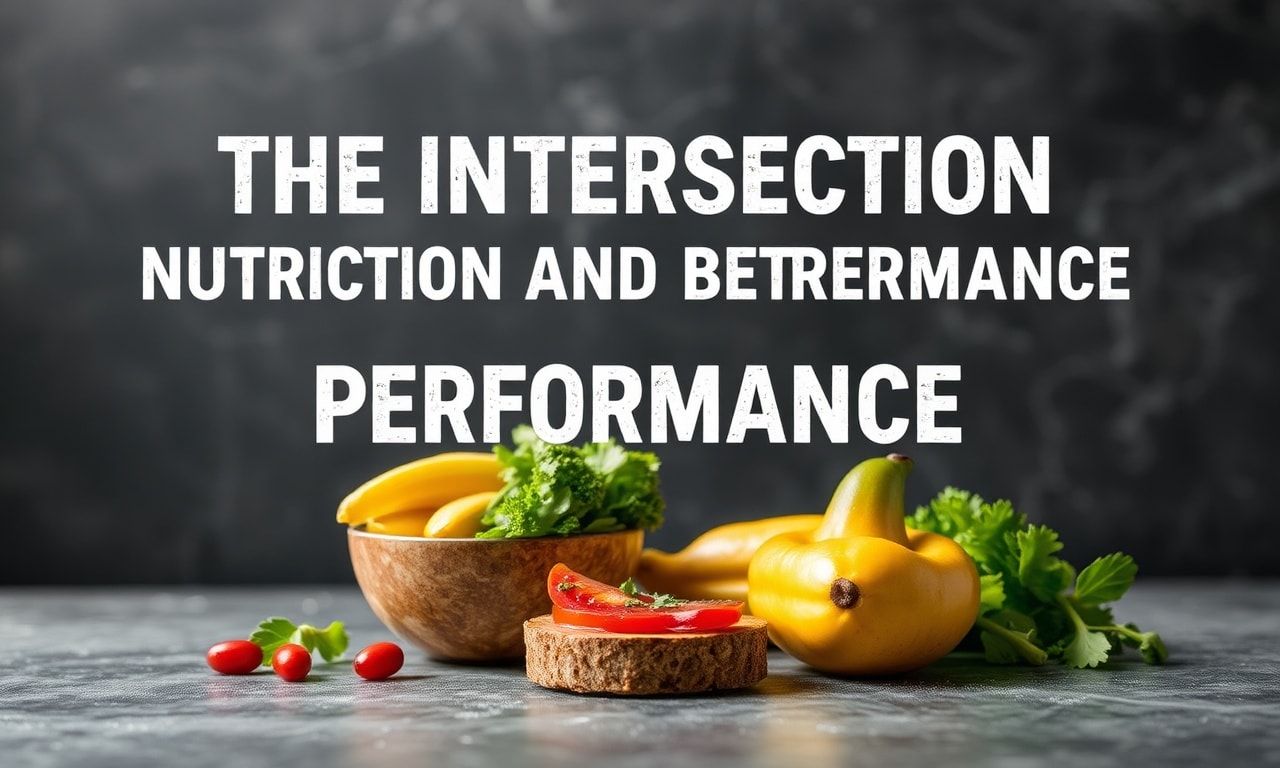
The Importance of Proper Nutrition in Sports
In the world of athletics, the pursuit of excellence is not solely about rigorous training and mental fortitude. Proper nutrition plays a pivotal role in enhancing performance, aiding recovery, and preventing injuries. Athletes often overlook the significance of a well-balanced diet, focusing instead on intense workouts and advanced training techniques. However, the food you consume can be just as impactful as the hours spent in the gym or on the field.
Macronutrients: The Building Blocks of Athletic Performance
Understanding the role of macronutrients—carbohydrates, proteins, and fats—is essential for any athlete aiming to optimize their performance. Carbohydrates are the primary source of energy, especially during high-intensity activities. Proteins are crucial for muscle repair and growth, while fats provide a concentrated source of energy and support various bodily functions. Balancing these macronutrients according to your specific sport and training regimen can significantly enhance your athletic capabilities.
Carbohydrates: Fueling Your Workouts
Carbohydrates are often vilified in mainstream fitness culture, but for athletes, they are indispensable. They are stored in the muscles and liver as glycogen, which is then converted into energy during physical exertion. Complex carbohydrates, found in whole grains, vegetables, and legumes, provide a steady release of energy, making them ideal for endurance sports. Simple carbohydrates, such as fruits and sports drinks, offer a quick energy boost, perfect for pre-workout or during intense training sessions.
Proteins: Repairing and Building Muscle
Protein is vital for muscle repair and growth, making it a critical component of any athlete’s diet. Consuming adequate protein helps in the recovery process post-workout, reducing muscle soreness and accelerating healing. Lean meats, fish, eggs, dairy products, and plant-based sources like beans and lentils are excellent protein sources. Athletes should aim to distribute their protein intake evenly throughout the day to maximize muscle protein synthesis and support overall recovery.
Fats: Essential for Energy and Health
Fats often get a bad rap, but they are essential for athletes, providing a concentrated source of energy and supporting various bodily functions. Healthy fats, such as those found in avocados, nuts, seeds, and fatty fish, can improve heart health, reduce inflammation, and enhance brain function. Incorporating these healthy fats into your diet can help you maintain optimal performance and overall well-being.
Micronutrients: The Unsung Heroes of Athletic Performance
While macronutrients often steal the spotlight, micronutrients—vitamins and minerals—are equally important for athletic performance. They play a crucial role in energy production, muscle function, and overall health. Deficiencies in key micronutrients can lead to fatigue, poor performance, and increased susceptibility to injuries. Ensuring a varied and balanced diet rich in fruits, vegetables, whole grains, and lean proteins can help athletes meet their micronutrient needs.
Vitamins: Supporting Energy and Recovery
Vitamins such as B vitamins, vitamin D, and vitamin C are essential for energy metabolism, immune function, and tissue repair. B vitamins, found in whole grains, meats, and dairy products, help convert food into energy. Vitamin D, obtained from sunlight and fatty fish, supports bone health and muscle function. Vitamin C, abundant in fruits and vegetables, aids in collagen production and immune support. Incorporating a variety of vitamin-rich foods into your diet can enhance your athletic performance and overall health.
Minerals: Enhancing Muscle Function and Hydration
Minerals like calcium, magnesium, potassium, and iron are crucial for muscle function, hydration, and oxygen transport. Calcium, found in dairy products and leafy greens, supports bone health and muscle contraction. Magnesium, present in nuts, seeds, and whole grains, aids in muscle relaxation and energy production. Potassium, abundant in bananas, sweet potatoes, and spinach, helps maintain proper hydration and electrolyte balance. Iron, found in red meat, poultry, and beans, is essential for oxygen transport and energy metabolism. Ensuring adequate intake of these minerals can help athletes perform at their best.
Hydration: The Key to Optimal Performance
Hydration is often overlooked but is critical for athletic performance. Even mild dehydration can impair physical and cognitive function, leading to reduced endurance, increased fatigue, and slower reaction times. Athletes should aim to drink water regularly throughout the day and increase their fluid intake before, during, and after workouts. Electrolyte drinks can be beneficial during intense or prolonged exercise, helping to replenish lost minerals and maintain proper hydration.
Superfoods: Boosting Performance Naturally
Incorporating superfoods into your diet can provide an extra edge in athletic performance. These nutrient-dense foods are packed with vitamins, minerals, antioxidants, and other beneficial compounds that support overall health and enhance performance. Some popular superfoods for athletes include berries, leafy greens, nuts, seeds, and fatty fish. However, it’s important to be aware of potential chia seeds side effects and other allergens when introducing new foods into your diet. Always consult with a healthcare professional or a registered dietitian to ensure you are making the best choices for your individual needs.
Conclusion: Fueling Your Body for Success
Proper nutrition is a cornerstone of athletic success. By understanding the role of macronutrients, micronutrients, hydration, and superfoods, athletes can optimize their performance, enhance recovery, and reduce the risk of injuries. Remember, there is no one-size-fits-all approach to nutrition. Tailoring your diet to your specific sport, training regimen, and individual needs is key to achieving your athletic goals. Consult with a sports nutritionist or registered dietitian to develop a personalized nutrition plan that supports your performance and overall well-being.
Discover how chia seeds can boost your athletic performance and overall health by exploring chia seeds’ benefits in sports, a must-read for fitness enthusiasts.
Unlock the secrets to optimizing your athletic performance with our insightful guide on nutrition for athletes, where we delve into the powerful connection between what you eat and how you excel in sports.
To gain a competitive edge, every athlete should understand the crucial role of nutrition in sports performance, as outlined in the science behind sports nutrition.